
The silicone render and external wall insulation specialists
Certified EWI Pro, Wethertex and EcoRend installers, trusted by our manufacturer partners and applying every system to the highest standards.

We are fully certified EWI Pro installation partners

Benefits of external wall insulation
Save on Heating Costs
Uninsulated walls allow around a third of the warmth pumped into a house to leak out (according to the Energy Saving Trust), making your central heating system work harder to maintain a comfortable temperature.

Protect Internal Space
External Wall Insulation will increase the thermal performance of a building without compromising on valuable internal floor space.

Thermal Mass
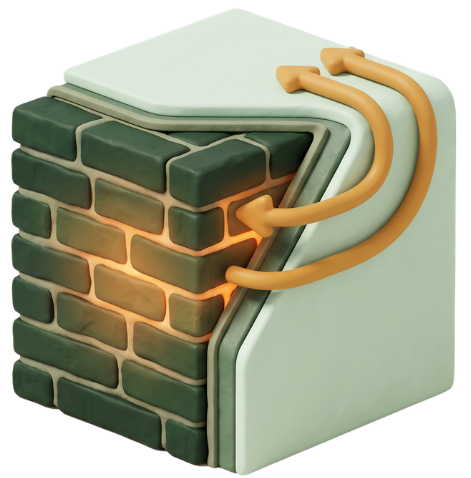
By insulating externally, the large thermal mass of the masonry walls slowly heats up. The walls then slowly give out that stored heat and because there is insulation on the outside of the wall the majority of the heat is redirected back into the house.
Improve External Appearance
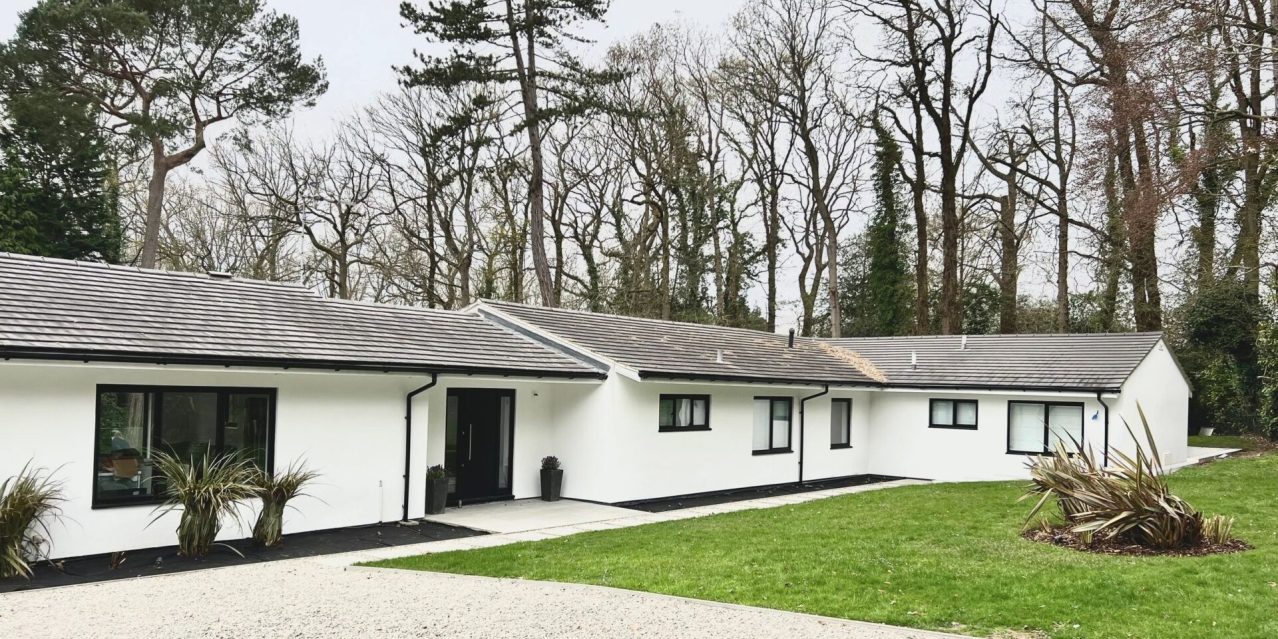
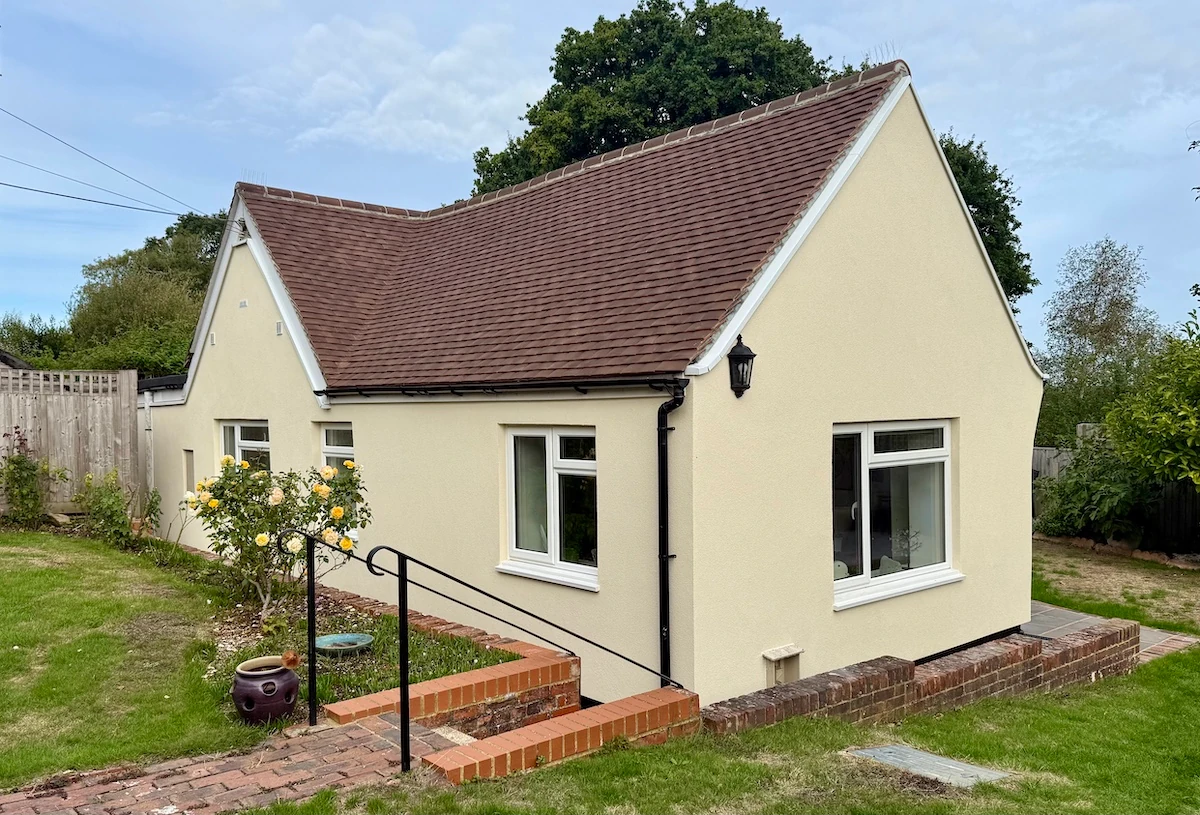
EWI Silicone Renders come in a wide range of colours, and can be matched to most RAL codes.
Boost Thermal Efficiency
Adding external wall insulation (EWI) to your house is an effective way to save energy by reducing the amount needed to heat your home, saving you money on energy bills as well as lowering your carbon footprint.

Eliminate Cold Bridging
External insulation minimises the occurrence of cold bridging as it wraps the entire house from the outside, separating the cold air from the masonry walls.

Reach an EPC rating of C
Minimum EPC rating to be raised from E to C. The plan is to enforce this from 1 April 2025 for new tenancies, and from 1 April 2028 for existing tenancies.
we would recommend adding 90mm of EPS or 100mm mineral wool to hit the u-value of 0.3 to adhere to modern building regulations.
Figures based on guidance from the Energy Saving Trust and London EPC. Actual savings vary by property and insulation thickness.
What is the EPC rating?
An EPC, or Energy Performance Certificate, is a review of how energy efficient a property is. It tells homeowners, renters and buyers roughly what a home will cost to run before they commit to it. The rating depends on two things:
- The amount of energy used per m²
- The level of carbon dioxide emissions, given in tonnes per year
A certificate is valid for ten years and needs renewing after that if you sell or let. One is required for any property being sold or rented, with listed buildings the main exception. Because the scale is so easy to compare, it will always push people towards a home with a higher rating.
Why should you improve your EPC rating?
The biggest reason is the return when you come to sell. But it pays off while you live there too. With energy costs rising, the savings on your bills make the investment worthwhile, and while some improvements are extensive, others are genuinely low cost.
Legislation is tightening as well. The minimum rating is currently E, but it is set to rise to C: from 1 April 2025 for new tenancies and from 1 April 2028 for existing tenancies. The government says this is enough to bring more than 90% of D-rated properties up to a C rating, and nearly 60% of E-rated properties.
Kirsty Burnham, National Residential Landlords Association
External wall insulation to improve your EPC rating
The most common recommendation is to add insulation, either external, internal or cavity wall insulation. Each has its own benefits and drawbacks, and each affects your bills differently.
We would always champion external wall insulation. It does not eat into your internal floor space or cause damp issues in the wall cavity. Improving the walls is usually the easiest way to reach a C rating, for two reasons: the walls are often the largest surface area, and external insulation can take a very low performing wall and make it high performing.
Of all the options, external wall insulation normally comes out the winner, because you can add a lot of insulation without any real upheaval. We would recommend 90mm of EPS or 100mm of mineral wool to hit a u-value of 0.3 and meet modern building regulations. Savings vary by property and insulation thickness, but with today's bills you can expect close to £1,000 a year.
Alan Bouquet, London EPC
Choosing the right insulation
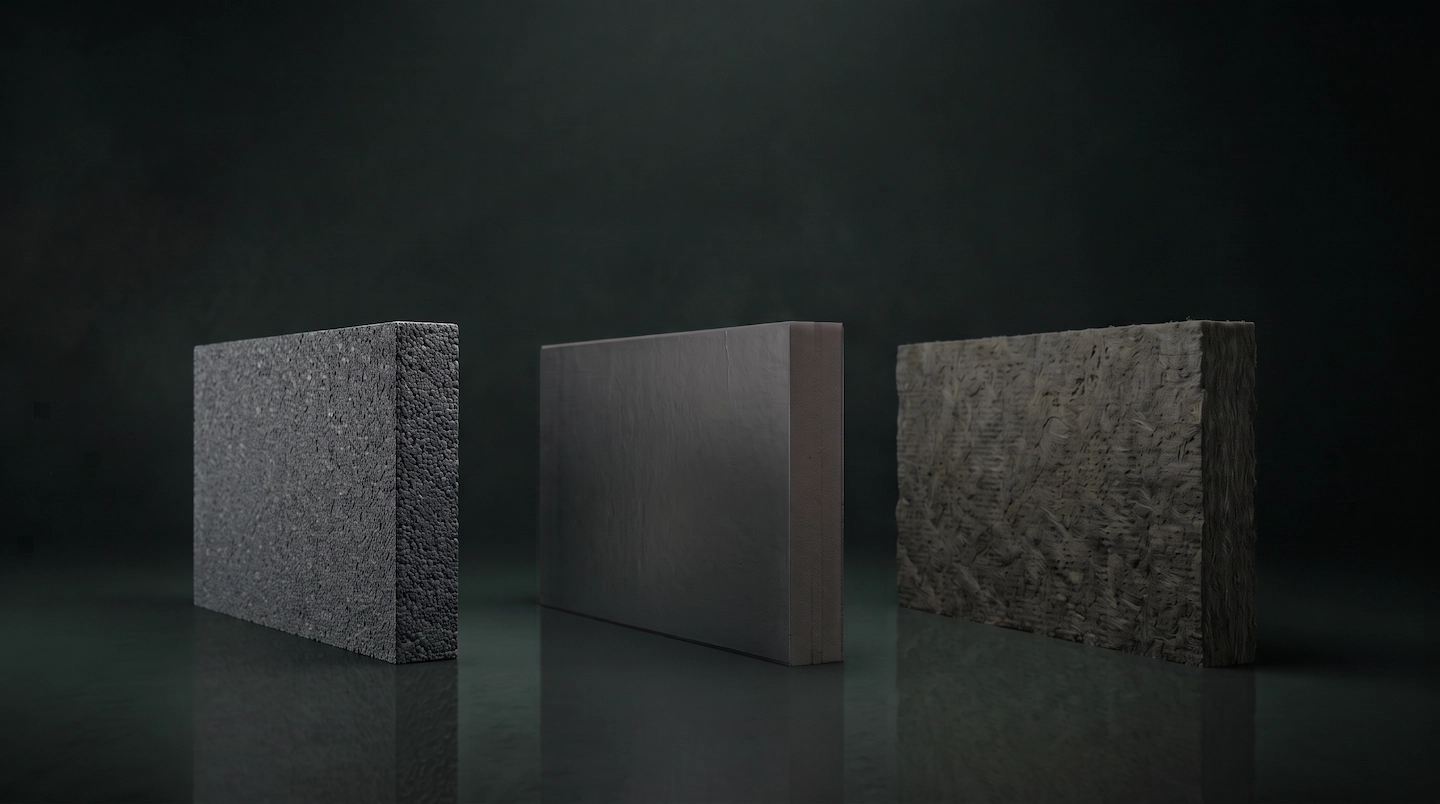
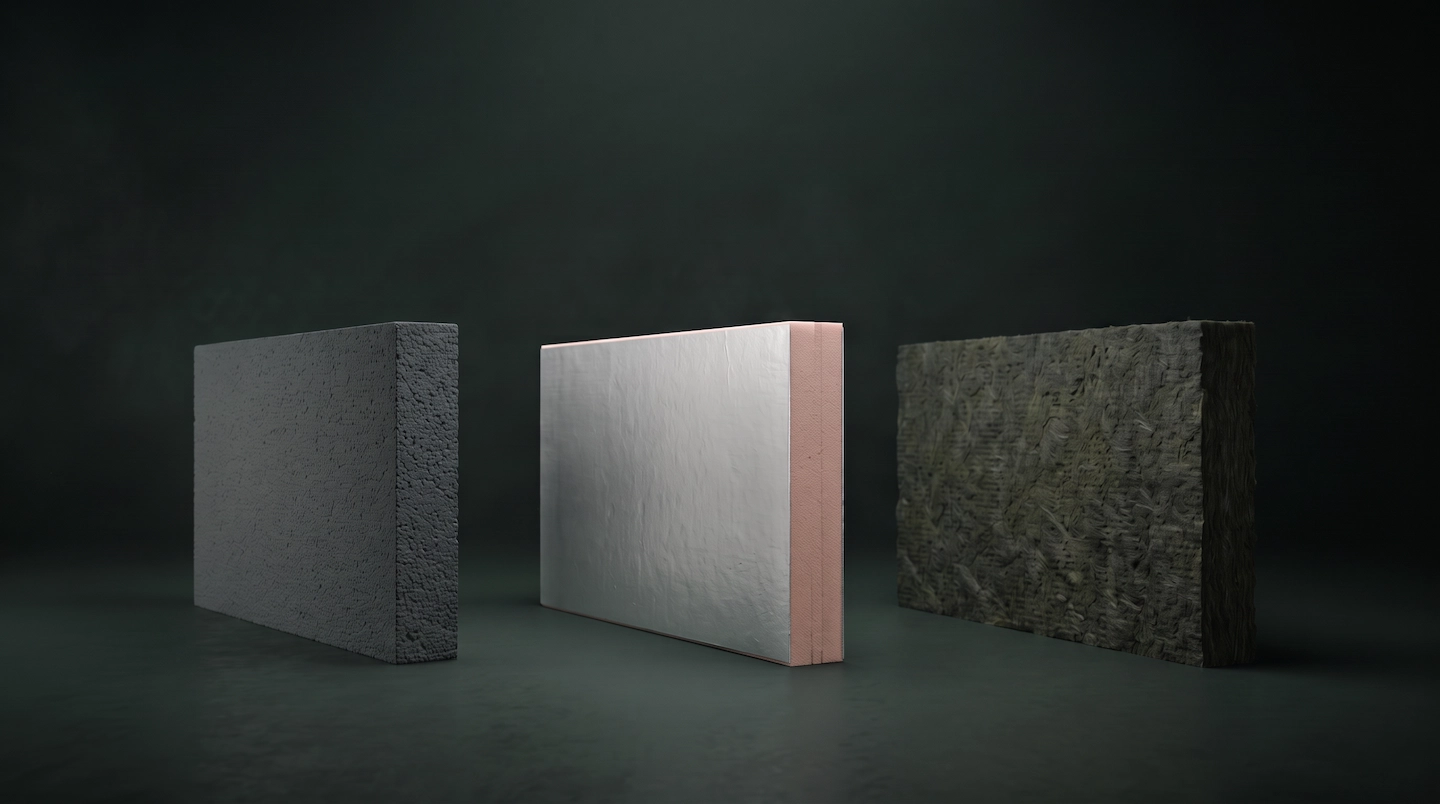
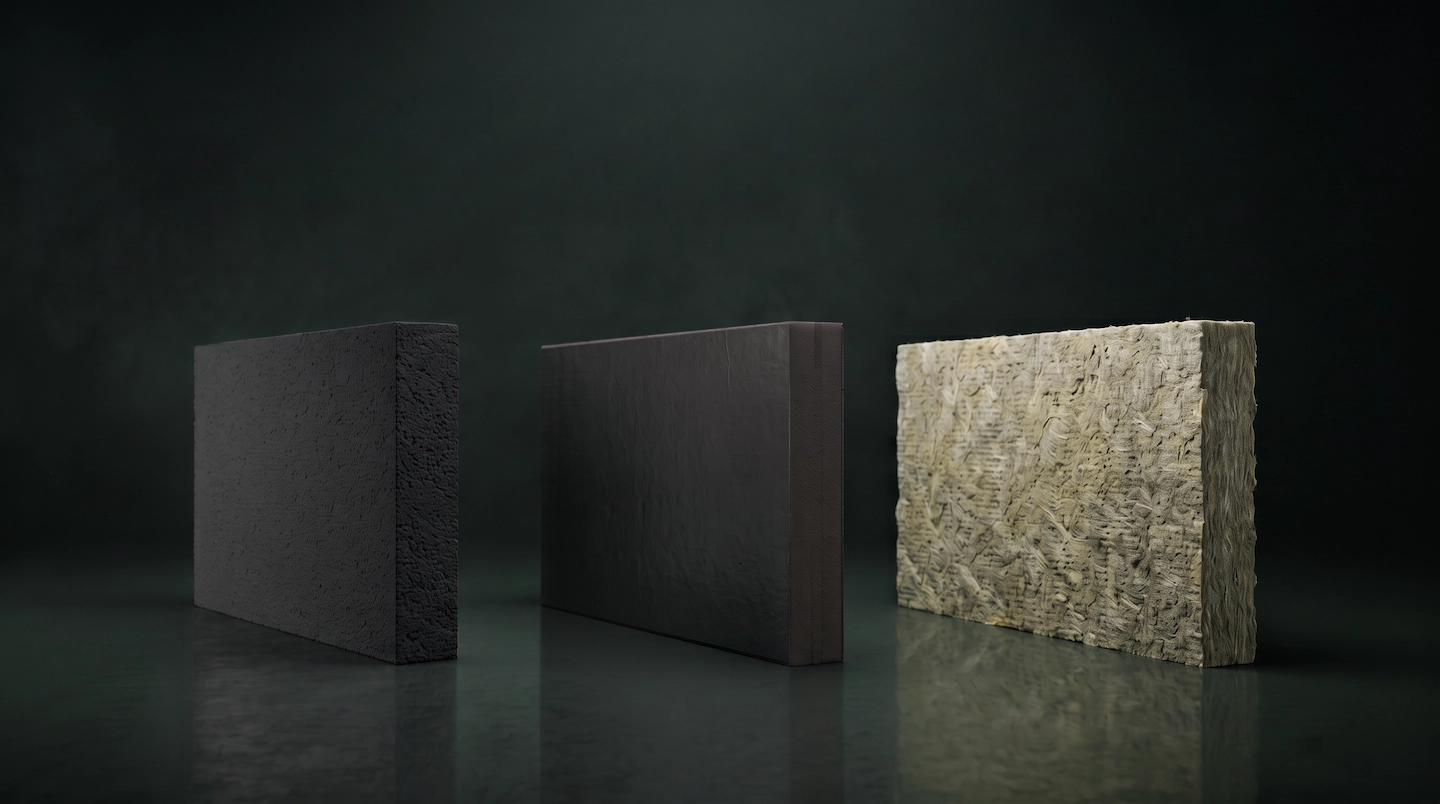
We install three EWI Pro compatible board systems. Which one suits your property depends on wall build-up, budget and how much space you can add to the outside.
EPS Insulation Great value all-rounder
EPS insulation is a high-performing and cost-efficient insulation material. EWI Pro EPS boards are available in a broad range of thicknesses (from 20mm to 200mm – going up in 10mm increments).
K5 Kingspan Space-saving premium
Kingspan K5 external wall board is a premium phenolic insulation board for external wall insulation systems.
Mineral Wool Insulation Breathable and A1 fire-rated
Mineral Wool insulation offers both improved thermal conductivity and acoustic insulation. One of the most appealing aspects of this type of insulation is that it offers outstanding fire resistance, because Mineral Wool is non-combustible.
The installation process
From fixing the insulation boards to the finished silicone render. Watch the video below to see how an EWI system is installed from start to finish.
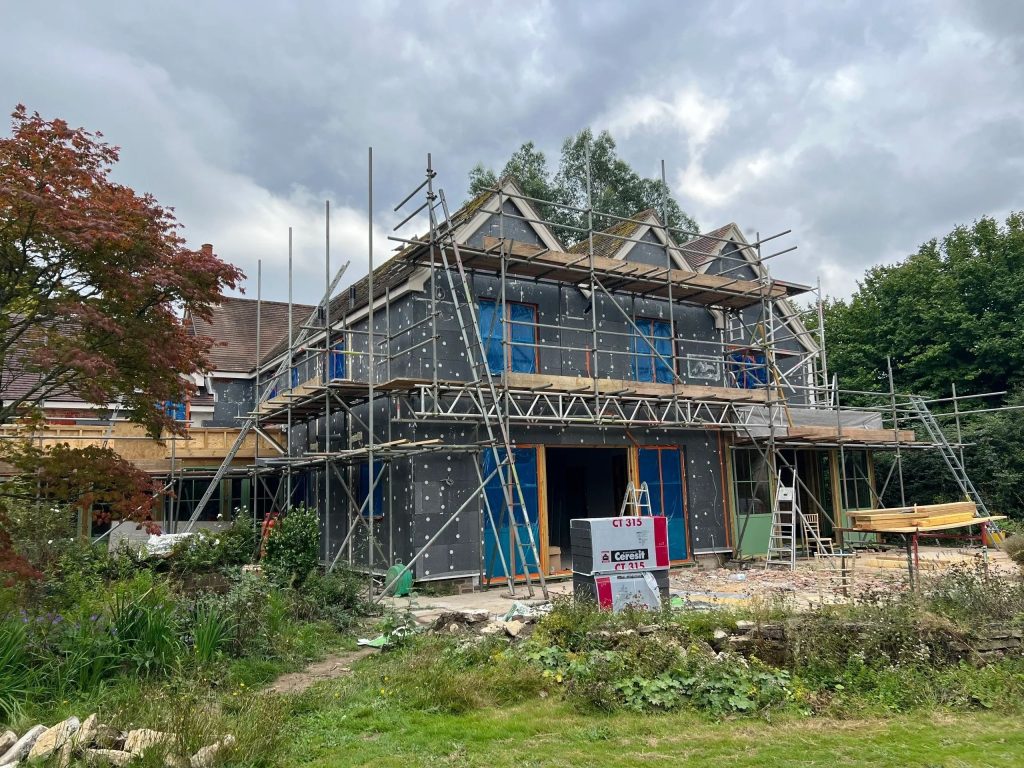




Ready to transform your property?
For a FREE, no obligation survey and quotation, click below and one of our team will be in touch to arrange a visit.